What Is Time-Lapse Embryo Monitoring in IVF?
2508 Views
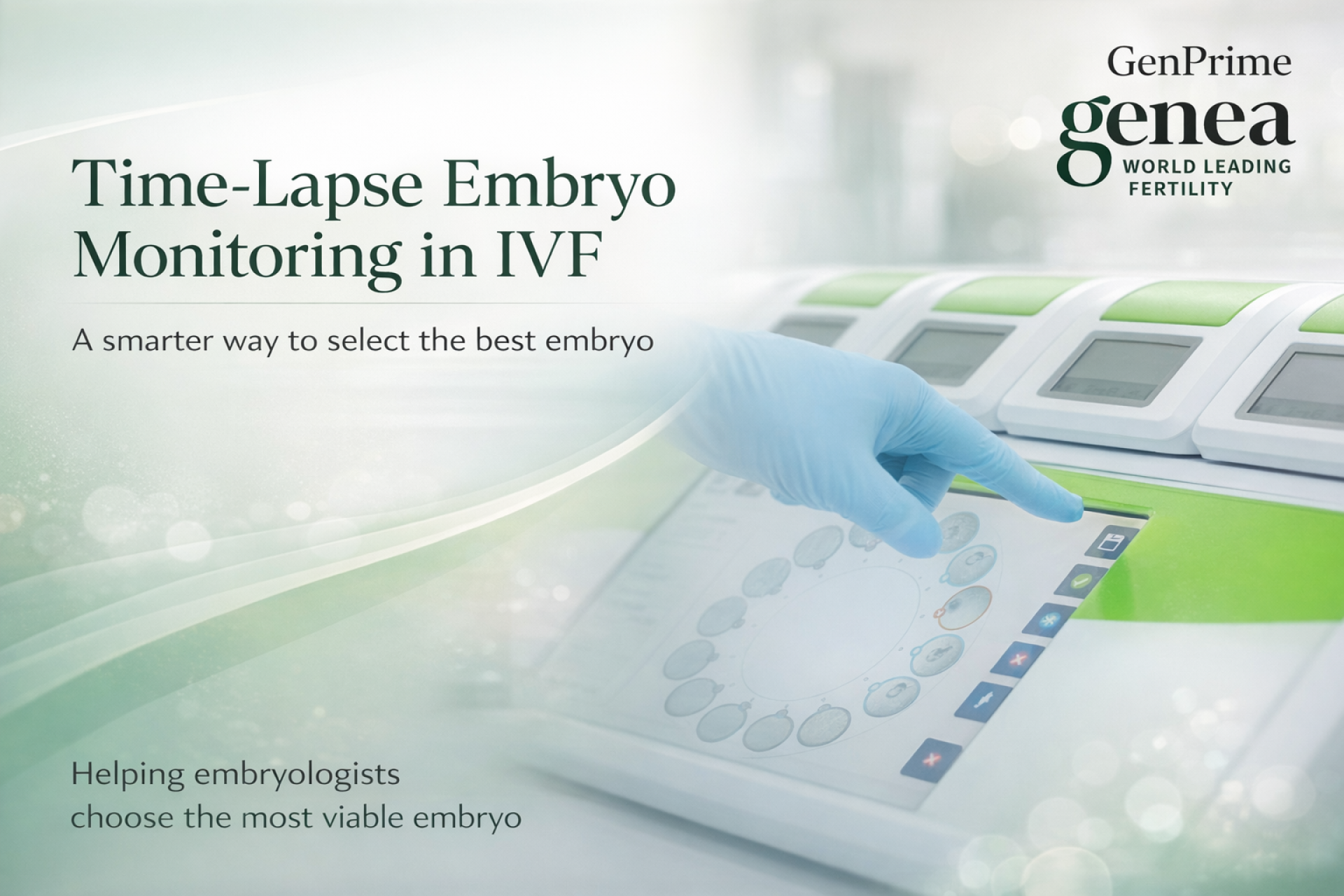
What Is Time-Lapse Embryo Monitoring in IVF?
Introduction
During IVF treatment, some of the most important stages of early development happen inside the embryology laboratory, where embryos grow outside the body for several days after fertilisation.
Because this stage is critical, embryologists closely monitor how embryos develop before selecting one for transfer. This process is supported by IVF laboratory technology, which allows embryos to be cultured and observed under carefully controlled conditions.
One such advancement is time-lapse embryo monitoring, a technology used in modern IVF laboratories to observe embryo development over time while maintaining stable culture conditions.
What Is Time-Lapse Embryo Monitoring?
Time-lapse embryo monitoring is a type of IVF laboratory technology that continuously records embryo development inside an incubator.
Instead of removing embryos from the incubator for observation under a microscope, a built-in imaging system captures a series of images at regular intervals. These images are then compiled into a time-lapse sequence, allowing embryologists to review how embryos develop over time.
This approach provides a more detailed view of embryo development while supporting stable conditions for embryo culture.
How Are Embryos Traditionally Monitored?
Before the introduction of time-lapse systems, embryo assessment was typically performed by removing embryos from the IVF incubator at specific time points and examining them under a microscope.
While this method remains widely used, it provides only snapshot observations of embryo development.
Because embryos are sensitive to environmental changes, repeated removal from the incubator may introduce small fluctuations in temperature and gas conditions. Modern IVF laboratory technology aims to reduce such disturbances wherever possible.
How Time-Lapse Monitoring Works
Time-lapse systems integrate imaging technology directly into the IVF incubator. This allows embryos to remain inside a controlled environment while being continuously monitored.
Images are captured at regular intervals throughout the day, creating a detailed developmental timeline. Embryologists can then review:
- how quickly cells divide
- whether cell divisions occur in a coordinated way
- progression through early stages of development, including blastocyst development
This continuous record provides more context compared to traditional periodic observations.
Why Stable Conditions Matter in Embryo Development
Early embryos are highly sensitive to their environment. Factors such as temperature, gas levels, light exposure, and humidity can influence embryo development in the first few days after fertilisation.
For this reason, IVF laboratories aim to maintain conditions that are as stable and consistent as possible during embryo culture.
Time-lapse incubator systems support this by allowing embryos to remain undisturbed inside the IVF incubator during observation. This helps maintain stable conditions that support early development.
What Is the Geri® Time-Lapse Incubator?
The Geri® system is a type of IVF incubator that combines embryo culture and time-lapse monitoring in a single platform.
It is designed to support embryo development while allowing continuous observation through integrated imaging technology.
How Geri® Supports Stable Embryo Culture
The Geri® incubator is designed to help maintain conditions that support early embryo development.
From a patient perspective, this includes:
- maintaining a temperature close to natural body conditions
- supporting consistent gas levels required for embryo culture
- allowing embryos to remain undisturbed during monitoring
- using lighting designed to reduce exposure that may affect sensitive early embryos
The system also uses separate incubation chambers, which helps maintain stable conditions even when one chamber is accessed.
These features aim to minimise environmental fluctuations and support a controlled environment for embryo culture during IVF treatment.
What Information Does Time-Lapse Monitoring Provide?
Time-lapse monitoring allows embryologists to observe how embryos develop over time, rather than relying only on single time-point observations.
This includes information such as:
- timing of early cell divisions
- patterns of embryo development
- progression to the blastocyst stage
This additional information can contribute to a more comprehensive understanding of embryo development during IVF treatment.
Does Time-Lapse Embryo Monitoring Improve IVF Success Rates?
Time-lapse monitoring provides embryologists with more detailed information about embryo development and allows embryos to remain in stable conditions during observation.
These factors may support decision-making during IVF treatment, but it is important to understand that no single technology can determine IVF success rate on its own.
Treatment outcomes depend on multiple factors, including age, underlying medical conditions, embryo quality, and overall treatment approach.
When Might Time-Lapse Monitoring Be Used?
Time-lapse embryo monitoring may be used as part of routine IVF laboratory practice or in situations where more detailed observation may be helpful.
This may include:
- cases with a limited number of embryos
- patients undergoing repeated IVF cycles
- situations where additional developmental information may support embryo selection
GenPrime Genea’s Approach to Embryo Monitoring
GenPrime Genea’s embryology laboratories incorporate time-lapse monitoring as part of a broader approach to IVF laboratory science.
Built on Genea’s 40 years of IVF and fertility expertise in Australia, GenPrime Genea combines advanced embryology and genetic testing to support individuals and couples on their fertility journey.
Technologies such as the Geri® time-lapse incubator are used alongside embryology expertise and laboratory protocols to support careful observation of embryo development.
Frequently Asked Questions
What is a time-lapse incubator in IVF?
A time-lapse incubator is a type of IVF incubator that includes a built-in imaging system to continuously record embryo development. It allows embryos to be monitored without being removed from the incubator.
What is the Geri incubator?
The Geri® incubator is a time-lapse embryo monitoring system used in IVF laboratories. It combines embryo culture and continuous imaging, allowing embryologists to observe embryo development while maintaining stable laboratory conditions.
Do embryos need to be removed for monitoring?
With time-lapse systems, embryos can be monitored without being removed from the incubator. This helps reduce environmental disturbances during early embryo development.
What does time-lapse embryo monitoring show?
Time-lapse monitoring shows how embryos divide and develop over time, including the timing of cell divisions and progression through stages such as blastocyst development.
Does time-lapse monitoring increase IVF success rates?
Time-lapse monitoring provides additional information about embryo development and supports stable culture conditions. However, IVF success rates are influenced by many factors, and no single technology can guarantee a successful outcome.
Introduction
During IVF treatment, some of the most important stages of early development happen inside the embryology laboratory, where embryos grow outside the body for several days after fertilisation.
Because this stage is critical, embryologists closely monitor how embryos develop before selecting one for transfer. This process is supported by IVF laboratory technology, which allows embryos to be cultured and observed under carefully controlled conditions.
One such advancement is time-lapse embryo monitoring, a technology used in modern IVF laboratories to observe embryo development over time while maintaining stable culture conditions.
What Is Time-Lapse Embryo Monitoring?
Time-lapse embryo monitoring is a type of IVF laboratory technology that continuously records embryo development inside an incubator.
Instead of removing embryos from the incubator for observation under a microscope, a built-in imaging system captures a series of images at regular intervals. These images are then compiled into a time-lapse sequence, allowing embryologists to review how embryos develop over time.
This approach provides a more detailed view of embryo development while supporting stable conditions for embryo culture.
How Are Embryos Traditionally Monitored?
Before the introduction of time-lapse systems, embryo assessment was typically performed by removing embryos from the IVF incubator at specific time points and examining them under a microscope.
While this method remains widely used, it provides only snapshot observations of embryo development.
Because embryos are sensitive to environmental changes, repeated removal from the incubator may introduce small fluctuations in temperature and gas conditions. Modern IVF laboratory technology aims to reduce such disturbances wherever possible.
How Time-Lapse Monitoring Works
Time-lapse systems integrate imaging technology directly into the IVF incubator. This allows embryos to remain inside a controlled environment while being continuously monitored.
Images are captured at regular intervals throughout the day, creating a detailed developmental timeline. Embryologists can then review:
- how quickly cells divide
- whether cell divisions occur in a coordinated way
- progression through early stages of development, including blastocyst development
This continuous record provides more context compared to traditional periodic observations.
Why Stable Conditions Matter in Embryo Development
Early embryos are highly sensitive to their environment. Factors such as temperature, gas levels, light exposure, and humidity can influence embryo development in the first few days after fertilisation.
For this reason, IVF laboratories aim to maintain conditions that are as stable and consistent as possible during embryo culture.
Time-lapse incubator systems support this by allowing embryos to remain undisturbed inside the IVF incubator during observation. This helps maintain stable conditions that support early development.
What Is the Geri® Time-Lapse Incubator?
The Geri® system is a type of IVF incubator that combines embryo culture and time-lapse monitoring in a single platform.
It is designed to support embryo development while allowing continuous observation through integrated imaging technology.
How Geri® Supports Stable Embryo Culture
The Geri® incubator is designed to help maintain conditions that support early embryo development.
From a patient perspective, this includes:
- maintaining a temperature close to natural body conditions
- supporting consistent gas levels required for embryo culture
- allowing embryos to remain undisturbed during monitoring
- using lighting designed to reduce exposure that may affect sensitive early embryos
The system also uses separate incubation chambers, which helps maintain stable conditions even when one chamber is accessed.
These features aim to minimise environmental fluctuations and support a controlled environment for embryo culture during IVF treatment.
What Information Does Time-Lapse Monitoring Provide?
Time-lapse monitoring allows embryologists to observe how embryos develop over time, rather than relying only on single time-point observations.
This includes information such as:
- timing of early cell divisions
- patterns of embryo development
- progression to the blastocyst stage
This additional information can contribute to a more comprehensive understanding of embryo development during IVF treatment.
Does Time-Lapse Embryo Monitoring Improve IVF Success Rates?
Time-lapse monitoring provides embryologists with more detailed information about embryo development and allows embryos to remain in stable conditions during observation.
These factors may support decision-making during IVF treatment, but it is important to understand that no single technology can determine IVF success rate on its own.
Treatment outcomes depend on multiple factors, including age, underlying medical conditions, embryo quality, and overall treatment approach.
When Might Time-Lapse Monitoring Be Used?
Time-lapse embryo monitoring may be used as part of routine IVF laboratory practice or in situations where more detailed observation may be helpful.
This may include:
- cases with a limited number of embryos
- patients undergoing repeated IVF cycles
- situations where additional developmental information may support embryo selection
GenPrime Genea’s Approach to Embryo Monitoring
GenPrime Genea’s embryology laboratories incorporate time-lapse monitoring as part of a broader approach to IVF laboratory science.
Built on Genea’s 40 years of IVF and fertility expertise in Australia, GenPrime Genea combines advanced embryology and genetic testing to support individuals and couples on their fertility journey.
Technologies such as the Geri® time-lapse incubator are used alongside embryology expertise and laboratory protocols to support careful observation of embryo development.
Frequently Asked Questions
What is a time-lapse incubator in IVF?
A time-lapse incubator is a type of IVF incubator that includes a built-in imaging system to continuously record embryo development. It allows embryos to be monitored without being removed from the incubator.
What is the Geri incubator?
The Geri® incubator is a time-lapse embryo monitoring system used in IVF laboratories. It combines embryo culture and continuous imaging, allowing embryologists to observe embryo development while maintaining stable laboratory conditions.
Do embryos need to be removed for monitoring?
With time-lapse systems, embryos can be monitored without being removed from the incubator. This helps reduce environmental disturbances during early embryo development.
What does time-lapse embryo monitoring show?
Time-lapse monitoring shows how embryos divide and develop over time, including the timing of cell divisions and progression through stages such as blastocyst development.
Does time-lapse monitoring increase IVF success rates?
Time-lapse monitoring provides additional information about embryo development and supports stable culture conditions. However, IVF success rates are influenced by many factors, and no single technology can guarantee a successful outcome.
Related Content


무슨 일이 일어날까요? 태국에서 동성결혼 평등법이 시행된다면 LGBTQ+ 사람들은 이 법에 따라 대리모를 하거나 생식 기술을 사용할 수 있을 것입니다. Genea Thailand는 Genea Australia에서 제공하는 흥미로운 정보를 공유하여… 미래의 LGBTIQA+ 커플을 위한 가이드라인으로 삼을 수 있습니다.
Imagine having a little insurance policy for your future. Life moves quickly, and we never know what’s around the corner—whether it’s meeting someone special later than planned or getting wrapped up in career and personal growth.