How to Choose an IVF Clinic in Thailand
4085 Views
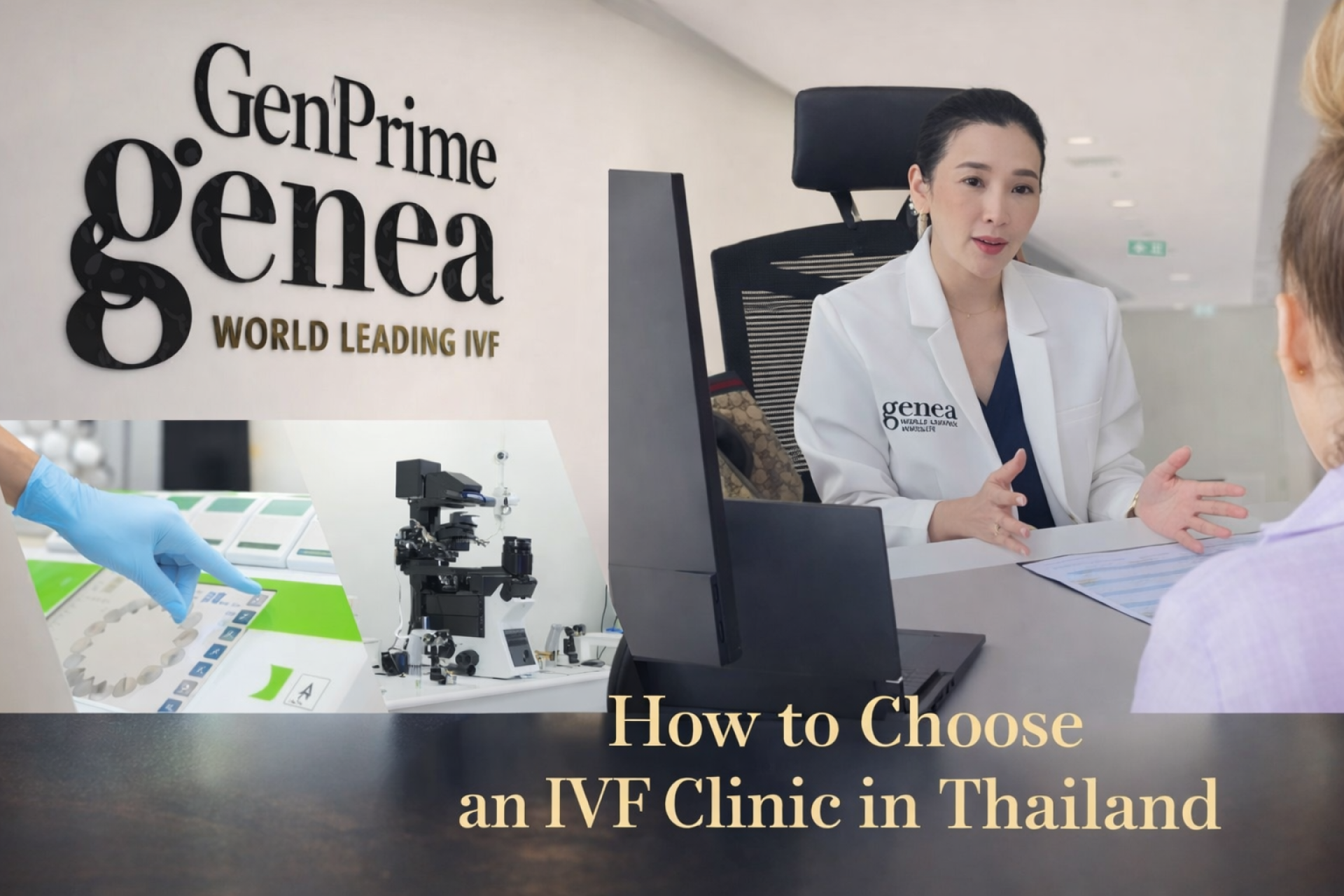
How to Choose an IVF Clinic in Thailand
: What Actually Matters
When considering IVF treatment in Thailand, many people start with a simple question: which clinic is the best?
But in practice, the answer is rarely that straightforward.
Fertility treatment is highly individual. The clinic that is suitable for one person may not be the best fit for another, depending on factors such as age, medical history, diagnosis, and treatment goals. Rather than looking for a single “top” clinic, it is often more helpful to understand what actually matters when choosing an IVF provider.
Why There Is No Single “Best” IVF Clinic
IVF success is influenced by many factors, including egg and sperm quality, embryo development, underlying medical conditions, and how treatment is planned and carried out.
Because of this, comparing clinics based only on headline success rates can be misleading. As discussed in more detail in our guide to what affects IVF success rates, outcomes depend not only on the clinic, but also on the patient population being treated and the complexity of each case.
A more useful approach is to look at how a clinic works, including its laboratory standards, clinical expertise, and approach to patient care.
1. The IVF Laboratory: Where Much of the Process Happens
A large part of IVF treatment takes place in the embryology laboratory, where fertilisation, embryo culture, and early embryo development occur.
The quality of this environment can influence how embryos develop during the first few days after fertilisation. Modern clinics typically use specialised incubators, controlled culture systems, and strict laboratory protocols to maintain stable conditions.
If you’re comparing clinics, it may be helpful to understand how IVF laboratories work and why they matter, including how embryos are cultured and monitored before transfer.
2. Laboratory Technology and Embryo Monitoring
Some clinics use more advanced IVF laboratory technology, such as time-lapse embryo monitoring systems.
These systems allow embryologists to observe embryo development continuously while embryos remain inside the incubator, rather than removing them for periodic checks. This can provide additional information about developmental patterns while reducing environmental disturbance.
If this is something you are considering, it may be useful to explore how time-lapse embryo monitoring works and what role it plays in embryo assessment.
3. Access to Genetic Testing
Another factor that may be relevant when choosing a clinic is whether it offers preimplantation genetic testing (PGT).
PGT can provide additional information about embryos before transfer, such as screening for chromosomal abnormalities (PGT-A) or identifying specific inherited conditions (PGT-M). This is not necessary for every patient, but it may be considered in certain situations.
Understanding what PGT testing involves and who it may be suitable for can help you decide whether this is something to discuss with your fertility specialist.
4. Experience With Complex Fertility Cases
Not all clinics treat the same types of patients.
Some clinics may have more experience working with complex fertility cases, such as:
patients of advanced reproductive age
individuals with low ovarian reserve
recurrent miscarriage
repeated IVF failure
known genetic conditions
For these patients, success is often not about one single intervention, but about how the clinic integrates diagnosis, laboratory processes, and treatment planning.
If your situation involves additional complexity, it may be worth asking how the clinic approaches similar cases and what kind of evaluation is done before treatment begins.
5. The Embryology Team and Laboratory Expertise
While technology plays an important role, it is only one part of the picture. The expertise of the embryology team is equally important.
Embryologists are responsible for handling eggs and sperm, performing fertilisation procedures such as ICSI, monitoring embryo development, and maintaining laboratory conditions.
When evaluating a clinic, some patients may consider whether the embryology team has experience working within established international laboratory standards, and whether the clinic demonstrates a strong focus on laboratory quality and consistency.
6. Personalised Treatment vs Standard Protocols
IVF is not a one-size-fits-all process.
Different patients may require different approaches based on their age, hormone profile, medical history, and fertility goals. A personalised treatment plan may involve adjustments to stimulation protocols, decisions about fertilisation methods, or considerations around embryo transfer and testing.
When speaking with a clinic, it can be helpful to understand how treatment decisions are made, and whether the recommendations feel tailored to your situation rather than routine.
7. Communication and Shared Decision-Making
Fertility treatment often involves multiple decisions along the way, from choosing a treatment approach to deciding how many embryos to transfer.
A clinic’s approach to communication can therefore be an important part of the experience. Many patients value clinics that:
explain both the benefits and limitations of different options
provide clear and consistent information
involve patients in decision-making rather than taking a purely directive approach
For example, decisions such as embryo selection are typically made based on laboratory observations and clinical considerations, but are also discussed with the patient to ensure alignment with their preferences and treatment goals.
8. Are IVF Clinics in Thailand Comparable to International Standards?
Some fertility clinics in Thailand use advanced IVF laboratory technology and clinical practices comparable to those used in established international IVF programmes, including centres in Australia, Europe, and the United States.
This may include:
modern IVF incubator systems
embryo culture protocols designed to maintain stable conditions
time-lapse embryo monitoring
access to genetic testing such as PGT
When comparing clinics, it can be helpful to look at the combination of laboratory technology, clinical expertise, and how clearly the clinic explains its approach, rather than focusing on location alone.
9. Looking Beyond Marketing Claims
Many clinics promote high success rates or advanced technologies, but these claims are not always directly comparable.
A more meaningful approach may be to look at:
how the clinic explains its treatment recommendations
whether both advantages and limitations are discussed
how transparent the clinic is about what each technology can and cannot do
whether the approach feels consistent and evidence-based
Understanding these aspects can help patients make more informed decisions, especially in a field where outcomes are influenced by many variables.
GenPrime Genea’s Approach
GenPrime Genea’s approach to fertility care combines embryology, genetics, and clinical planning as part of an integrated IVF programme.
Built on Genea’s 40 years of IVF and fertility expertise in Australia, GenPrime Genea combines advanced embryology and genetic testing to support individuals and couples on their fertility journey.
This includes the use of IVF laboratory technology, embryo culture systems, time-lapse monitoring, and genetic testing where appropriate, together with a focus on personalised treatment and informed decision-making.
Frequently Asked Questions
Q: How do I choose the right IVF clinic in Thailand?
A: Choosing an IVF clinic involves considering factors such as laboratory quality, clinical expertise, experience with similar cases, available technologies, and how clearly the clinic explains its approach. The most suitable clinic depends on your individual situation rather than a single ranking.
Q: What matters more than IVF success rates when choosing a clinic?
A: While success rates are important, they should be considered alongside factors such as patient demographics, laboratory standards, treatment approach, and clinical experience. Understanding how a clinic works can provide more meaningful insight than a single percentage.
Q: Do all IVF clinics use the same laboratory technology?
A: No. IVF clinics may differ in the types of incubators, embryo culture systems, and monitoring technologies they use. These differences can influence how embryos are handled and observed during development.
Q: Does experience with complex cases matter?
A: Yes. Clinics that regularly manage complex fertility cases may have more experience in adapting treatment strategies and integrating laboratory, clinical, and genetic considerations for patients with additional challenges.
Q: How important is communication with the medical team?
A: Clear communication is an important part of fertility treatment. Patients may benefit from clinics that explain options clearly, discuss both benefits and limitations, and involve them in decision-making throughout the process.
Q: Can I get a second opinion before starting IVF?
A: Yes. Some patients choose to seek a second opinion to better understand their diagnosis or treatment options. This can be helpful, particularly in complex cases or after previous unsuccessful treatment.
: What Actually Matters
When considering IVF treatment in Thailand, many people start with a simple question: which clinic is the best?
But in practice, the answer is rarely that straightforward.
Fertility treatment is highly individual. The clinic that is suitable for one person may not be the best fit for another, depending on factors such as age, medical history, diagnosis, and treatment goals. Rather than looking for a single “top” clinic, it is often more helpful to understand what actually matters when choosing an IVF provider.
Why There Is No Single “Best” IVF Clinic
IVF success is influenced by many factors, including egg and sperm quality, embryo development, underlying medical conditions, and how treatment is planned and carried out.
Because of this, comparing clinics based only on headline success rates can be misleading. As discussed in more detail in our guide to what affects IVF success rates, outcomes depend not only on the clinic, but also on the patient population being treated and the complexity of each case.
A more useful approach is to look at how a clinic works, including its laboratory standards, clinical expertise, and approach to patient care.
1. The IVF Laboratory: Where Much of the Process Happens
A large part of IVF treatment takes place in the embryology laboratory, where fertilisation, embryo culture, and early embryo development occur.
The quality of this environment can influence how embryos develop during the first few days after fertilisation. Modern clinics typically use specialised incubators, controlled culture systems, and strict laboratory protocols to maintain stable conditions.
If you’re comparing clinics, it may be helpful to understand how IVF laboratories work and why they matter, including how embryos are cultured and monitored before transfer.
2. Laboratory Technology and Embryo Monitoring
Some clinics use more advanced IVF laboratory technology, such as time-lapse embryo monitoring systems.
These systems allow embryologists to observe embryo development continuously while embryos remain inside the incubator, rather than removing them for periodic checks. This can provide additional information about developmental patterns while reducing environmental disturbance.
If this is something you are considering, it may be useful to explore how time-lapse embryo monitoring works and what role it plays in embryo assessment.
3. Access to Genetic Testing
Another factor that may be relevant when choosing a clinic is whether it offers preimplantation genetic testing (PGT).
PGT can provide additional information about embryos before transfer, such as screening for chromosomal abnormalities (PGT-A) or identifying specific inherited conditions (PGT-M). This is not necessary for every patient, but it may be considered in certain situations.
Understanding what PGT testing involves and who it may be suitable for can help you decide whether this is something to discuss with your fertility specialist.
4. Experience With Complex Fertility Cases
Not all clinics treat the same types of patients.
Some clinics may have more experience working with complex fertility cases, such as:
patients of advanced reproductive age
individuals with low ovarian reserve
recurrent miscarriage
repeated IVF failure
known genetic conditions
For these patients, success is often not about one single intervention, but about how the clinic integrates diagnosis, laboratory processes, and treatment planning.
If your situation involves additional complexity, it may be worth asking how the clinic approaches similar cases and what kind of evaluation is done before treatment begins.
5. The Embryology Team and Laboratory Expertise
While technology plays an important role, it is only one part of the picture. The expertise of the embryology team is equally important.
Embryologists are responsible for handling eggs and sperm, performing fertilisation procedures such as ICSI, monitoring embryo development, and maintaining laboratory conditions.
When evaluating a clinic, some patients may consider whether the embryology team has experience working within established international laboratory standards, and whether the clinic demonstrates a strong focus on laboratory quality and consistency.
6. Personalised Treatment vs Standard Protocols
IVF is not a one-size-fits-all process.
Different patients may require different approaches based on their age, hormone profile, medical history, and fertility goals. A personalised treatment plan may involve adjustments to stimulation protocols, decisions about fertilisation methods, or considerations around embryo transfer and testing.
When speaking with a clinic, it can be helpful to understand how treatment decisions are made, and whether the recommendations feel tailored to your situation rather than routine.
7. Communication and Shared Decision-Making
Fertility treatment often involves multiple decisions along the way, from choosing a treatment approach to deciding how many embryos to transfer.
A clinic’s approach to communication can therefore be an important part of the experience. Many patients value clinics that:
explain both the benefits and limitations of different options
provide clear and consistent information
involve patients in decision-making rather than taking a purely directive approach
For example, decisions such as embryo selection are typically made based on laboratory observations and clinical considerations, but are also discussed with the patient to ensure alignment with their preferences and treatment goals.
8. Are IVF Clinics in Thailand Comparable to International Standards?
Some fertility clinics in Thailand use advanced IVF laboratory technology and clinical practices comparable to those used in established international IVF programmes, including centres in Australia, Europe, and the United States.
This may include:
modern IVF incubator systems
embryo culture protocols designed to maintain stable conditions
time-lapse embryo monitoring
access to genetic testing such as PGT
When comparing clinics, it can be helpful to look at the combination of laboratory technology, clinical expertise, and how clearly the clinic explains its approach, rather than focusing on location alone.
9. Looking Beyond Marketing Claims
Many clinics promote high success rates or advanced technologies, but these claims are not always directly comparable.
A more meaningful approach may be to look at:
how the clinic explains its treatment recommendations
whether both advantages and limitations are discussed
how transparent the clinic is about what each technology can and cannot do
whether the approach feels consistent and evidence-based
Understanding these aspects can help patients make more informed decisions, especially in a field where outcomes are influenced by many variables.
GenPrime Genea’s Approach
GenPrime Genea’s approach to fertility care combines embryology, genetics, and clinical planning as part of an integrated IVF programme.
Built on Genea’s 40 years of IVF and fertility expertise in Australia, GenPrime Genea combines advanced embryology and genetic testing to support individuals and couples on their fertility journey.
This includes the use of IVF laboratory technology, embryo culture systems, time-lapse monitoring, and genetic testing where appropriate, together with a focus on personalised treatment and informed decision-making.
Frequently Asked Questions
Q: How do I choose the right IVF clinic in Thailand?
A: Choosing an IVF clinic involves considering factors such as laboratory quality, clinical expertise, experience with similar cases, available technologies, and how clearly the clinic explains its approach. The most suitable clinic depends on your individual situation rather than a single ranking.
Q: What matters more than IVF success rates when choosing a clinic?
A: While success rates are important, they should be considered alongside factors such as patient demographics, laboratory standards, treatment approach, and clinical experience. Understanding how a clinic works can provide more meaningful insight than a single percentage.
Q: Do all IVF clinics use the same laboratory technology?
A: No. IVF clinics may differ in the types of incubators, embryo culture systems, and monitoring technologies they use. These differences can influence how embryos are handled and observed during development.
Q: Does experience with complex cases matter?
A: Yes. Clinics that regularly manage complex fertility cases may have more experience in adapting treatment strategies and integrating laboratory, clinical, and genetic considerations for patients with additional challenges.
Q: How important is communication with the medical team?
A: Clear communication is an important part of fertility treatment. Patients may benefit from clinics that explain options clearly, discuss both benefits and limitations, and involve them in decision-making throughout the process.
Q: Can I get a second opinion before starting IVF?
A: Yes. Some patients choose to seek a second opinion to better understand their diagnosis or treatment options. This can be helpful, particularly in complex cases or after previous unsuccessful treatment.
Related Content

무슨 일이 일어날까요? 태국에서 동성결혼 평등법이 시행된다면 LGBTQ+ 사람들은 이 법에 따라 대리모를 하거나 생식 기술을 사용할 수 있을 것입니다. Genea Thailand는 Genea Australia에서 제공하는 흥미로운 정보를 공유하여… 미래의 LGBTIQA+ 커플을 위한 가이드라인으로 삼을 수 있습니다.

What Affects IVF Success Rates?
Understanding the Key Factors

IVF Success Rate in Thailand: What You Should Know