How Advanced IVF Laboratory Technology Supports Fertility Treatment
5073 Views
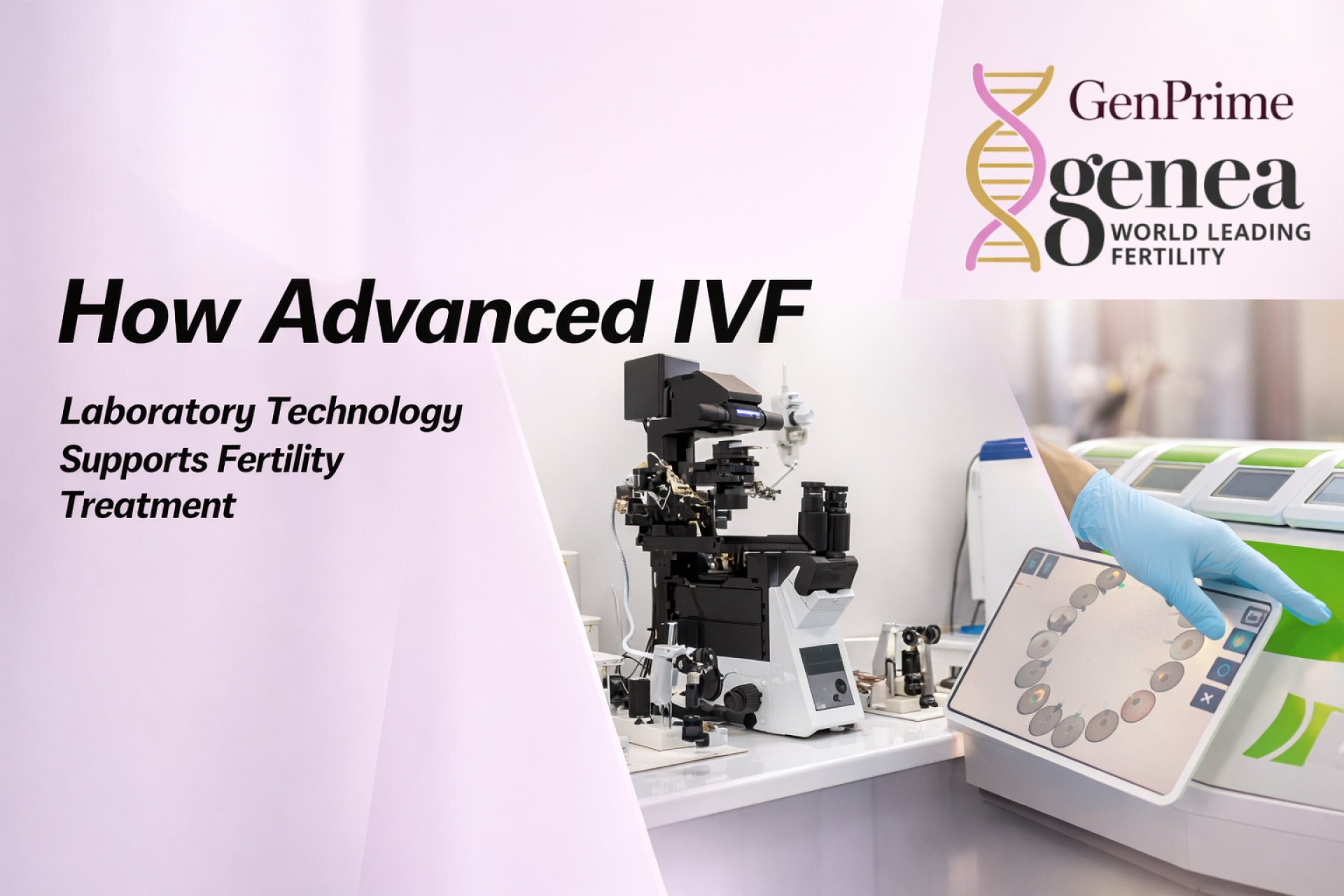
How Advanced IVF Laboratory Technology Supports Fertility Treatment
When people think about fertility treatment, they often focus on doctors, medications, or medical procedures. Yet a large part of the IVF process actually takes place in a highly specialised environment that patients rarely see: the embryology laboratory.
Within this laboratory, eggs and sperm are prepared, fertilisation takes place, and embryos are cultured and monitored before transfer. The technologies used inside the lab, together with the expertise of embryologists—plays an important role in supporting fertility treatment.
While no technology can guarantee a pregnancy, advances in IVF laboratory science have significantly improved the ability to observe embryo development, maintain stable conditions, and provide additional information that can help guide treatment decisions.
Understanding how the IVF laboratory works can help patients better appreciate the science behind modern fertility care.
What Is an IVF Laboratory?
An IVF laboratory is a specialised medical laboratory where fertilisation, embryo culture, and early embryo development take place during in vitro fertilisation (IVF) treatment. In this environment, embryologists use specialised equipment and IVF laboratory technology, including incubators and micromanipulation tools, to support embryo development before transfer to the uterus.
Why the IVF Laboratory Environment Matters
In natural conception, fertilisation and early embryo development occur inside the fallopian tube and uterus. During IVF treatment, these early stages take place outside the body in a carefully controlled laboratory environment.
Because embryos are highly sensitive to changes in temperature, pH levels, oxygen concentration, and other environmental factors, IVF laboratories are designed to replicate conditions that support early development as closely as possible.
Key elements of an advanced embryology laboratory typically include:
Precisely controlled incubators that maintain stable temperature and gas levels
Specialised culture media that support embryo growth
Air filtration systems that reduce environmental contaminants
Continuous monitoring systems that maintain stable conditions
Even small fluctuations in environmental conditions can affect embryo development. For this reason, laboratory design, equipment, and protocols are considered critical components of IVF treatment.
What Happens Inside an IVF Laboratory?
Many patients are curious about what actually happens once eggs and sperm enter the IVF laboratory.
After eggs are retrieved from the ovaries, they are carefully transferred to the embryology laboratory. At the same time, a sperm sample provided by the male partner is processed by embryologists. This process, often called sperm preparation, separates healthy and motile sperm from seminal fluid and other cells, allowing embryologists to select sperm that are most suitable for fertilisation.
Fertilisation may then occur through conventional IVF, where prepared sperm are placed together with the eggs in a culture dish and fertilisation occurs naturally, or through intracytoplasmic sperm injection (ICSI). In ICSI, a single sperm is injected directly into the egg using specialised micromanipulation equipment. This technique is often used when sperm quality or quantity may affect fertilisation.
Following fertilisation, embryos are cultured in incubators where they continue to divide and develop over several days.
What Is Embryo Culture?
Embryo culture refers to the process of growing and monitoring embryos in the IVF laboratory after fertilisation. During this stage, embryos develop inside specialised incubators that maintain stable temperature, gas composition, and other environmental conditions needed for early embryo growth.
Over the next several days, embryos continue to divide and organise their cells. By around five to six days after fertilisation, many embryos reach what is known as the blastocyst stage. A blastocyst is a more developed embryo with a fluid-filled structure and distinct cell layers, and this stage is often considered suitable for embryo transfer, freezing, or genetic testing.
What Is Time-Lapse Embryo Monitoring?
One technological advancement that has become increasingly common in IVF laboratories is time-lapse embryo monitoring.
Time-lapse systems allow embryos to be continuously observed while they remain inside a controlled incubator environment. Rather than periodically removing embryos for manual observation under a microscope, specialised cameras capture images of embryo development at regular intervals.
These images create a time-lapse record of how embryos divide and develop over time.
Continuous monitoring provides embryologists with additional information about developmental patterns that may not be visible during traditional periodic checks. Because embryos remain inside the incubator during monitoring, this approach can also help minimise environmental disturbances.
At GenPrime Genea, Geri® time-lapse incubator systems are used to support embryo culture and monitoring.
Creating Stable Conditions for Embryo Development
Early embryos are extremely sensitive to their environment. Small changes in temperature, gas composition, light exposure, or humidity can influence embryo development during the first few days after fertilisation.
For this reason, modern IVF laboratories aim to create culture conditions that remain as stable and close to the natural body environment as possible.
The Geri® incubator system is designed to help maintain these stable conditions by:
maintaining a tightly controlled temperature close to body temperature
supporting consistent gas levels required for embryo culture
allowing embryos to remain undisturbed inside individual incubation chambers
using lighting designed to reduce exposure that may affect sensitive early embryos
The system also allows embryos to develop in separate incubation chambers, helping to maintain stable conditions even when embryologists need to access one chamber. These design features help minimise environmental fluctuations and support a more controlled environment for embryo development during IVF treatment.
Stable culture conditions are considered an important part of modern IVF laboratory practice, helping embryologists support embryo development during the earliest stages of life.
What Is Preimplantation Genetic Testing (PGT)?
Another important advancement in modern IVF laboratories is preimplantation genetic testing (PGT).
PGT allows embryos created through IVF to be tested for specific genetic conditions before embryo transfer. This testing is performed on a small sample of cells taken from the outer layer of a blastocyst-stage embryo.
There are different types of PGT used in fertility care.
PGT-A (Preimplantation Genetic Testing for Aneuploidy)
Screens embryos for chromosomal abnormalities that may affect implantation or pregnancy development.
PGT-M (Preimplantation Genetic Testing for Monogenic Disorders)
Used when prospective parents carry a known inherited genetic condition. This test helps identify embryos that are not affected by the specific genetic disorder.
Genetic testing can provide additional information that may help guide embryo selection in certain situations. However, PGT is not necessary or recommended for every patient, and decisions about genetic testing are typically made after consultation with fertility specialists and genetic counsellors.
The Role of Embryology Expertise
While advanced technology plays an important role in IVF laboratories, the expertise of embryologists remains equally critical.
Embryologists are highly specialised scientists trained in reproductive biology and laboratory techniques. Their responsibilities include:
handling eggs and sperm during fertilisation
monitoring embryo development
performing specialised procedures such as ICSI and embryo biopsy
maintaining laboratory quality standards
The interpretation of embryo development patterns and laboratory observations relies on professional judgement and experience. For this reason, fertility centres often emphasise the importance of both laboratory technology and embryology expertise in supporting fertility treatment.
Supporting Complex Fertility Cases
Advanced laboratory technologies can be particularly valuable in situations where fertility treatment may involve additional complexity.
Examples may include:
recurrent IVF failure
couples with known genetic conditions
patients with reduced embryo numbers
situations where more detailed embryo monitoring may provide additional insights
In these scenarios, laboratory systems that support stable embryo culture and detailed observation may contribute to a more informed understanding of embryo development during treatment.
However, outcomes in fertility treatment are influenced by many factors, including age, underlying medical conditions, and individual biological variation.
GenPrime Genea’s Laboratory Heritage and Research Background
GenPrime Genea’s approach to embryology laboratory systems has been shaped by more than four decades of fertility research and clinical practice in Australia.
Built on Genea’s 40 years of IVF and fertility expertise in Australia, GenPrime Genea combines advanced embryology and genetic testing to support individuals and couples on their fertility journey.
Over the years, the organisation has contributed to advances in embryo culture systems, laboratory design, and embryology protocols. Research and innovation in laboratory science continue to play a central role in improving how embryos are cultured, monitored, and assessed during fertility treatment.
Today, technologies such as time-lapse embryo monitoring and preimplantation genetic testing form part of a broader laboratory framework designed to support careful observation and evidence-based decision-making.
Frequently Asked Questions
What happens to eggs and sperm in an IVF laboratory?
After egg retrieval, eggs are transferred to the embryology laboratory where they are prepared for fertilisation. A sperm sample is processed to select healthy and motile sperm. Fertilisation may occur through conventional IVF or through intracytoplasmic sperm injection (ICSI), after which embryos are cultured and monitored for several days before transfer or freezing.
ชWhat is time-lapse embryo monitoring in IVF?
Time-lapse embryo monitoring is a technology used in IVF laboratories that continuously records embryo development inside an incubator. Specialised cameras capture images at regular intervals, allowing embryologists to observe how embryos divide and develop without removing them from stable laboratory conditions.
What is ICSI and when is it used?
ICSI (intracytoplasmic sperm injection) is an IVF technique in which a single sperm is injected directly into an egg using specialised laboratory equipment. It is commonly used when sperm quality or quantity may affect fertilisation.
What is preimplantation genetic testing (PGT)?
Preimplantation genetic testing is a laboratory procedure used during IVF to analyse embryos for certain genetic conditions before embryo transfer. Depending on the situation, PGT may screen for chromosomal abnormalities (PGT-A) or specific inherited genetic disorders (PGT-M).
Does laboratory technology improve IVF success?
Laboratory technologies such as advanced incubators, time-lapse monitoring systems, and genetic testing can provide embryologists with more information about embryo development. While no technology can guarantee pregnancy, these tools help support careful observation and informed decision-making during fertility treatment.
What happens to embryos in an IVF incubator?
After fertilisation, embryos are placed in specialised IVF incubators where temperature, gas composition, and other environmental conditions are carefully controlled. These incubators create stable conditions that support embryo culture and early embryo development over several days before embryo transfer, freezing or genetic testing.
How long do embryos stay in the IVF laboratory?
Embryos are typically cultured in the IVF laboratory for about five to six days after fertilisation. During this time, embryologists monitor their development as they divide and grow. By day five or six, many embryos reach the blastocyst stage, when they may be transferred to the uterus, frozen for future use, or in some cases tested through genetic screening.
When people think about fertility treatment, they often focus on doctors, medications, or medical procedures. Yet a large part of the IVF process actually takes place in a highly specialised environment that patients rarely see: the embryology laboratory.
Within this laboratory, eggs and sperm are prepared, fertilisation takes place, and embryos are cultured and monitored before transfer. The technologies used inside the lab, together with the expertise of embryologists—plays an important role in supporting fertility treatment.
While no technology can guarantee a pregnancy, advances in IVF laboratory science have significantly improved the ability to observe embryo development, maintain stable conditions, and provide additional information that can help guide treatment decisions.
Understanding how the IVF laboratory works can help patients better appreciate the science behind modern fertility care.
What Is an IVF Laboratory?
An IVF laboratory is a specialised medical laboratory where fertilisation, embryo culture, and early embryo development take place during in vitro fertilisation (IVF) treatment. In this environment, embryologists use specialised equipment and IVF laboratory technology, including incubators and micromanipulation tools, to support embryo development before transfer to the uterus.
Why the IVF Laboratory Environment Matters
In natural conception, fertilisation and early embryo development occur inside the fallopian tube and uterus. During IVF treatment, these early stages take place outside the body in a carefully controlled laboratory environment.
Because embryos are highly sensitive to changes in temperature, pH levels, oxygen concentration, and other environmental factors, IVF laboratories are designed to replicate conditions that support early development as closely as possible.
Key elements of an advanced embryology laboratory typically include:
Precisely controlled incubators that maintain stable temperature and gas levels
Specialised culture media that support embryo growth
Air filtration systems that reduce environmental contaminants
Continuous monitoring systems that maintain stable conditions
Even small fluctuations in environmental conditions can affect embryo development. For this reason, laboratory design, equipment, and protocols are considered critical components of IVF treatment.
What Happens Inside an IVF Laboratory?
Many patients are curious about what actually happens once eggs and sperm enter the IVF laboratory.
After eggs are retrieved from the ovaries, they are carefully transferred to the embryology laboratory. At the same time, a sperm sample provided by the male partner is processed by embryologists. This process, often called sperm preparation, separates healthy and motile sperm from seminal fluid and other cells, allowing embryologists to select sperm that are most suitable for fertilisation.
Fertilisation may then occur through conventional IVF, where prepared sperm are placed together with the eggs in a culture dish and fertilisation occurs naturally, or through intracytoplasmic sperm injection (ICSI). In ICSI, a single sperm is injected directly into the egg using specialised micromanipulation equipment. This technique is often used when sperm quality or quantity may affect fertilisation.
Following fertilisation, embryos are cultured in incubators where they continue to divide and develop over several days.
What Is Embryo Culture?
Embryo culture refers to the process of growing and monitoring embryos in the IVF laboratory after fertilisation. During this stage, embryos develop inside specialised incubators that maintain stable temperature, gas composition, and other environmental conditions needed for early embryo growth.
Over the next several days, embryos continue to divide and organise their cells. By around five to six days after fertilisation, many embryos reach what is known as the blastocyst stage. A blastocyst is a more developed embryo with a fluid-filled structure and distinct cell layers, and this stage is often considered suitable for embryo transfer, freezing, or genetic testing.
What Is Time-Lapse Embryo Monitoring?
One technological advancement that has become increasingly common in IVF laboratories is time-lapse embryo monitoring.
Time-lapse systems allow embryos to be continuously observed while they remain inside a controlled incubator environment. Rather than periodically removing embryos for manual observation under a microscope, specialised cameras capture images of embryo development at regular intervals.
These images create a time-lapse record of how embryos divide and develop over time.
Continuous monitoring provides embryologists with additional information about developmental patterns that may not be visible during traditional periodic checks. Because embryos remain inside the incubator during monitoring, this approach can also help minimise environmental disturbances.
At GenPrime Genea, Geri® time-lapse incubator systems are used to support embryo culture and monitoring.
Creating Stable Conditions for Embryo Development
Early embryos are extremely sensitive to their environment. Small changes in temperature, gas composition, light exposure, or humidity can influence embryo development during the first few days after fertilisation.
For this reason, modern IVF laboratories aim to create culture conditions that remain as stable and close to the natural body environment as possible.
The Geri® incubator system is designed to help maintain these stable conditions by:
maintaining a tightly controlled temperature close to body temperature
supporting consistent gas levels required for embryo culture
allowing embryos to remain undisturbed inside individual incubation chambers
using lighting designed to reduce exposure that may affect sensitive early embryos
The system also allows embryos to develop in separate incubation chambers, helping to maintain stable conditions even when embryologists need to access one chamber. These design features help minimise environmental fluctuations and support a more controlled environment for embryo development during IVF treatment.
Stable culture conditions are considered an important part of modern IVF laboratory practice, helping embryologists support embryo development during the earliest stages of life.
What Is Preimplantation Genetic Testing (PGT)?
Another important advancement in modern IVF laboratories is preimplantation genetic testing (PGT).
PGT allows embryos created through IVF to be tested for specific genetic conditions before embryo transfer. This testing is performed on a small sample of cells taken from the outer layer of a blastocyst-stage embryo.
There are different types of PGT used in fertility care.
PGT-A (Preimplantation Genetic Testing for Aneuploidy)
Screens embryos for chromosomal abnormalities that may affect implantation or pregnancy development.
PGT-M (Preimplantation Genetic Testing for Monogenic Disorders)
Used when prospective parents carry a known inherited genetic condition. This test helps identify embryos that are not affected by the specific genetic disorder.
Genetic testing can provide additional information that may help guide embryo selection in certain situations. However, PGT is not necessary or recommended for every patient, and decisions about genetic testing are typically made after consultation with fertility specialists and genetic counsellors.
The Role of Embryology Expertise
While advanced technology plays an important role in IVF laboratories, the expertise of embryologists remains equally critical.
Embryologists are highly specialised scientists trained in reproductive biology and laboratory techniques. Their responsibilities include:
handling eggs and sperm during fertilisation
monitoring embryo development
performing specialised procedures such as ICSI and embryo biopsy
maintaining laboratory quality standards
The interpretation of embryo development patterns and laboratory observations relies on professional judgement and experience. For this reason, fertility centres often emphasise the importance of both laboratory technology and embryology expertise in supporting fertility treatment.
Supporting Complex Fertility Cases
Advanced laboratory technologies can be particularly valuable in situations where fertility treatment may involve additional complexity.
Examples may include:
recurrent IVF failure
couples with known genetic conditions
patients with reduced embryo numbers
situations where more detailed embryo monitoring may provide additional insights
In these scenarios, laboratory systems that support stable embryo culture and detailed observation may contribute to a more informed understanding of embryo development during treatment.
However, outcomes in fertility treatment are influenced by many factors, including age, underlying medical conditions, and individual biological variation.
GenPrime Genea’s Laboratory Heritage and Research Background
GenPrime Genea’s approach to embryology laboratory systems has been shaped by more than four decades of fertility research and clinical practice in Australia.
Built on Genea’s 40 years of IVF and fertility expertise in Australia, GenPrime Genea combines advanced embryology and genetic testing to support individuals and couples on their fertility journey.
Over the years, the organisation has contributed to advances in embryo culture systems, laboratory design, and embryology protocols. Research and innovation in laboratory science continue to play a central role in improving how embryos are cultured, monitored, and assessed during fertility treatment.
Today, technologies such as time-lapse embryo monitoring and preimplantation genetic testing form part of a broader laboratory framework designed to support careful observation and evidence-based decision-making.
Frequently Asked Questions
What happens to eggs and sperm in an IVF laboratory?
After egg retrieval, eggs are transferred to the embryology laboratory where they are prepared for fertilisation. A sperm sample is processed to select healthy and motile sperm. Fertilisation may occur through conventional IVF or through intracytoplasmic sperm injection (ICSI), after which embryos are cultured and monitored for several days before transfer or freezing.
ชWhat is time-lapse embryo monitoring in IVF?
Time-lapse embryo monitoring is a technology used in IVF laboratories that continuously records embryo development inside an incubator. Specialised cameras capture images at regular intervals, allowing embryologists to observe how embryos divide and develop without removing them from stable laboratory conditions.
What is ICSI and when is it used?
ICSI (intracytoplasmic sperm injection) is an IVF technique in which a single sperm is injected directly into an egg using specialised laboratory equipment. It is commonly used when sperm quality or quantity may affect fertilisation.
What is preimplantation genetic testing (PGT)?
Preimplantation genetic testing is a laboratory procedure used during IVF to analyse embryos for certain genetic conditions before embryo transfer. Depending on the situation, PGT may screen for chromosomal abnormalities (PGT-A) or specific inherited genetic disorders (PGT-M).
Does laboratory technology improve IVF success?
Laboratory technologies such as advanced incubators, time-lapse monitoring systems, and genetic testing can provide embryologists with more information about embryo development. While no technology can guarantee pregnancy, these tools help support careful observation and informed decision-making during fertility treatment.
What happens to embryos in an IVF incubator?
After fertilisation, embryos are placed in specialised IVF incubators where temperature, gas composition, and other environmental conditions are carefully controlled. These incubators create stable conditions that support embryo culture and early embryo development over several days before embryo transfer, freezing or genetic testing.
How long do embryos stay in the IVF laboratory?
Embryos are typically cultured in the IVF laboratory for about five to six days after fertilisation. During this time, embryologists monitor their development as they divide and grow. By day five or six, many embryos reach the blastocyst stage, when they may be transferred to the uterus, frozen for future use, or in some cases tested through genetic screening.
Related Content