What Is PMOS?
4438 浏览量
What Is PMOS?
Understanding the New Name for PCOS
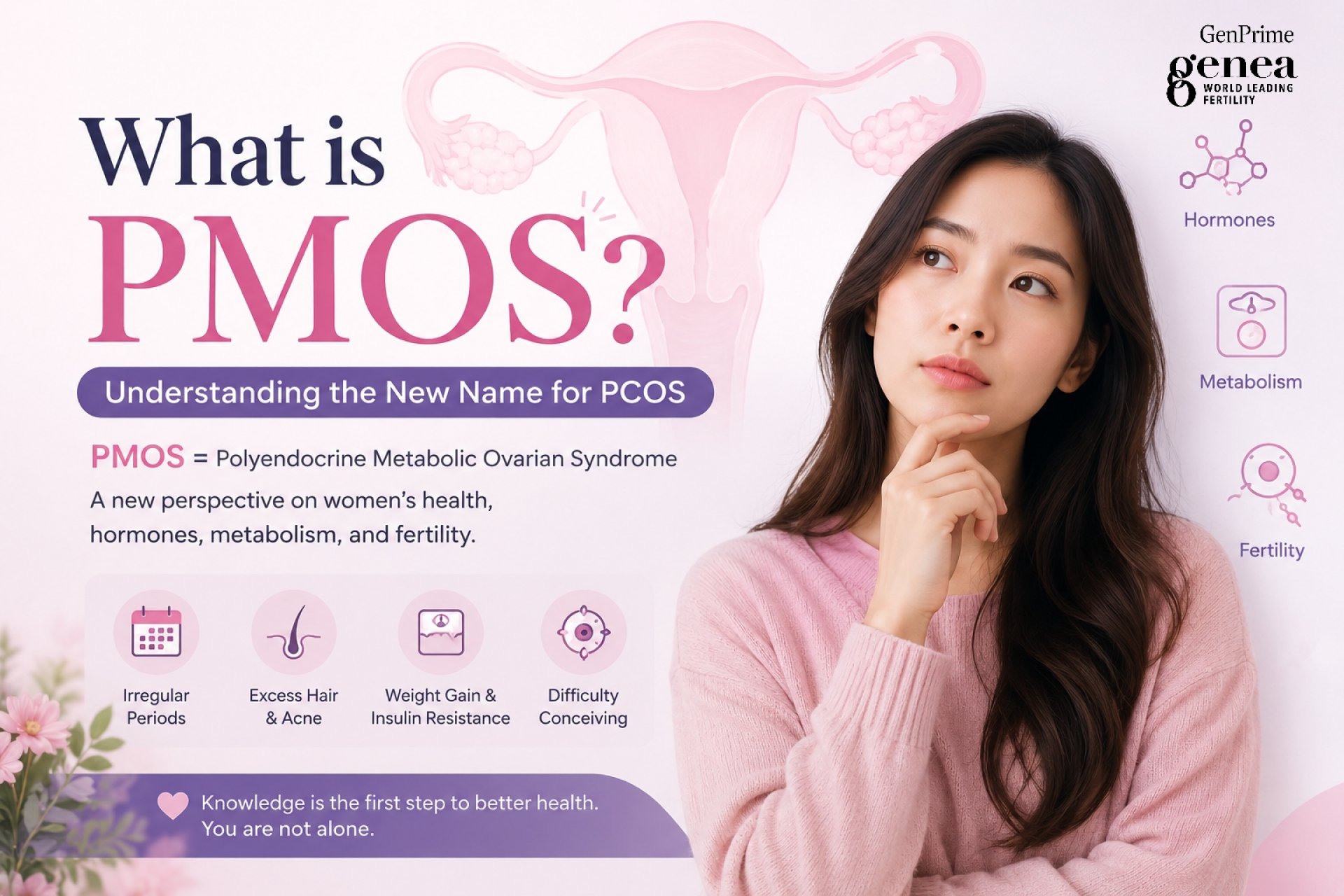
PMOS, or Polyendocrine Metabolic Ovarian Syndrome, is the new medical term introduced to replace the condition previously known as PCOS (Polycystic Ovary Syndrome).
The updated name reflects a broader understanding of the condition and helps explain that PMOS is not only related to ovarian cysts, but also affects hormones, metabolism, fertility, and overall health.
As awareness grows worldwide, many women are now searching:
For many years, experts believed the name “Polycystic Ovary Syndrome” did not fully describe the condition.
Many women diagnosed with PCOS:
Because the condition affects multiple systems in the body, experts proposed the new name:
PMOS = Polyendocrine Metabolic Ovarian Syndrome
The new term better reflects the endocrine and metabolic aspects of the condition rather than focusing only on the ovaries.
What Are the Symptoms of PMOS?
Symptoms of PMOS can vary between individuals, but common signs include:
Some women may also experience fatigue, mood changes, anxiety, or sleep disturbances.
How Does PMOS Affect Fertility?
PMOS can affect ovulation, which may make natural conception more difficult.
Because ovulation may not happen regularly, many women with PMOS seek fertility treatment, including:
Many fertility clinics offering IVF in Bangkok and fertility treatment in Thailand now provide personalized treatment plans for women with PMOS/PCOS.
Is PMOS the Same as PCOS?
Yes — PMOS is essentially the updated name for the condition previously called PCOS.
However, because PCOS has been widely recognized for many years, both terms may continue to be used during the transition period.
PMOS Treatment Options
Treatment depends on symptoms, fertility goals, and hormone balance.
Common PMOS treatment options include:
Early diagnosis and personalized care can help improve both reproductive and long-term health outcomes.
PMOS and Fertility Treatment in Thailand
Thailand has become one of Asia’s leading destinations for fertility care and reproductive medicine. Many international patients travel to Bangkok for:
Final Thoughts
The transition from PCOS to PMOS represents a major shift in how this condition is understood worldwide. By recognizing the hormonal and metabolic aspects of the condition, healthcare providers can offer more comprehensive and personalized treatment options.
As awareness grows, more women are learning that PMOS is a manageable condition — and with the right medical support, many can successfully improve their health and fertility outcomes.
References
The Endocrine Society
World Health Organization (WHO) – PCOS Overview
Mayo Clinic – PCOS Symptoms and Causes
Understanding the New Name for PCOS
PMOS, or Polyendocrine Metabolic Ovarian Syndrome, is the new medical term introduced to replace the condition previously known as PCOS (Polycystic Ovary Syndrome).
The updated name reflects a broader understanding of the condition and helps explain that PMOS is not only related to ovarian cysts, but also affects hormones, metabolism, fertility, and overall health.
As awareness grows worldwide, many women are now searching:
- What is PMOS?
- PMOS vs PCOS
- Why was PCOS renamed?
- Is PMOS the same as PCOS?
- Why Was PCOS Renamed to PMOS?
For many years, experts believed the name “Polycystic Ovary Syndrome” did not fully describe the condition.
Many women diagnosed with PCOS:
- Do not actually have ovarian cysts
- Experience hormonal imbalance
- Have insulin resistance or metabolic symptoms
- Struggle with fertility issues
- Experience weight changes, acne, or excess hair growth
Because the condition affects multiple systems in the body, experts proposed the new name:
PMOS = Polyendocrine Metabolic Ovarian Syndrome
The new term better reflects the endocrine and metabolic aspects of the condition rather than focusing only on the ovaries.
What Are the Symptoms of PMOS?
Symptoms of PMOS can vary between individuals, but common signs include:
- Irregular or missed periods
- Difficulty getting pregnant
- Acne or oily skin
- Weight gain or difficulty losing weight
- Excess facial or body hair
- Hair thinning
- Hormonal imbalance
- Insulin resistance
Some women may also experience fatigue, mood changes, anxiety, or sleep disturbances.
How Does PMOS Affect Fertility?
PMOS can affect ovulation, which may make natural conception more difficult.
Because ovulation may not happen regularly, many women with PMOS seek fertility treatment, including:
- Ovulation induction
- Hormone therapy
- Lifestyle management
- IVF treatment
- Egg freezing
- Fertility preservation
Many fertility clinics offering IVF in Bangkok and fertility treatment in Thailand now provide personalized treatment plans for women with PMOS/PCOS.
Is PMOS the Same as PCOS?
Yes — PMOS is essentially the updated name for the condition previously called PCOS.
- The goal of the name change is to improve:
- Medical understanding
- Patient awareness
- Diagnosis accuracy
- Treatment approaches
- Public education
However, because PCOS has been widely recognized for many years, both terms may continue to be used during the transition period.
PMOS Treatment Options
Treatment depends on symptoms, fertility goals, and hormone balance.
Common PMOS treatment options include:
- Nutrition and lifestyle modification
- Exercise and weight management
- Hormonal medication
- Insulin-sensitizing medication
- Fertility treatment
- IVF and reproductive support
Early diagnosis and personalized care can help improve both reproductive and long-term health outcomes.
PMOS and Fertility Treatment in Thailand
Thailand has become one of Asia’s leading destinations for fertility care and reproductive medicine. Many international patients travel to Bangkok for:
- IVF treatment
- Egg freezing
- Hormonal evaluation
- Fertility preservation
- Advanced reproductive technology
Final Thoughts
The transition from PCOS to PMOS represents a major shift in how this condition is understood worldwide. By recognizing the hormonal and metabolic aspects of the condition, healthcare providers can offer more comprehensive and personalized treatment options.
As awareness grows, more women are learning that PMOS is a manageable condition — and with the right medical support, many can successfully improve their health and fertility outcomes.
References
The Endocrine Society
World Health Organization (WHO) – PCOS Overview
Mayo Clinic – PCOS Symptoms and Causes
相关文章

IVF Success Rate in Thailand: What You Should Know