World IVF Day2026 Where Dreams Become Family
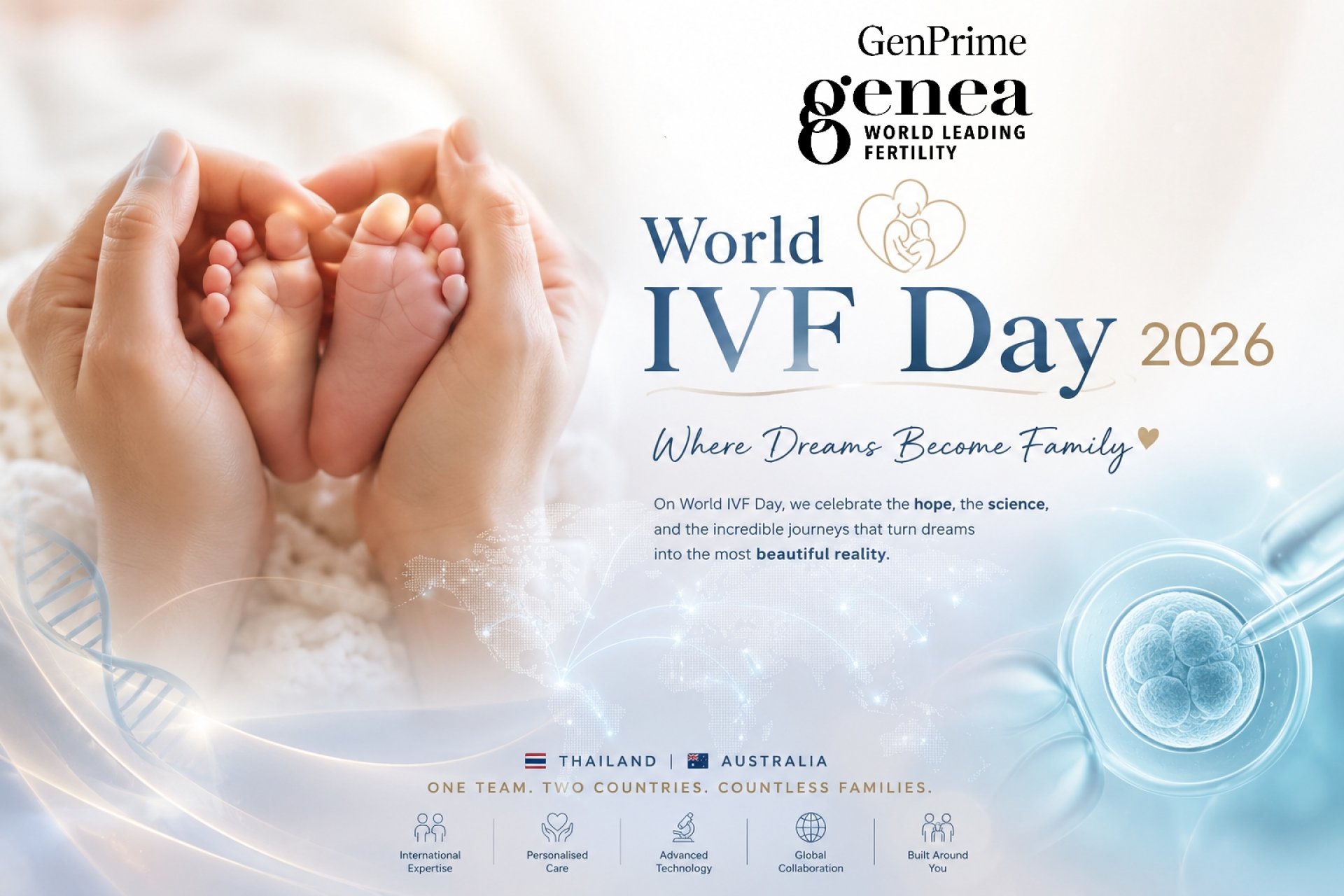
World IVF Day 2026
Celebrating Nearly Five Decades of Hope
Every July 25th, the global fertility community pauses to mark World IVF Day — a tribute to the science that has helped millions of families grow.
Why July 25th?
On July 25, 1978, Louise Joy Brown was born in Oldham, England — the world's first baby conceived through in vitro fertilization. Her birth was the result of years of pioneering research by Dr. Robert Edwards, Dr. Patrick Steptoe, and nurse Jean Purdy, who proved for the first time that fertilization outside the human body could lead to a healthy pregnancy and delivery.
Photo of Louise Joy Brown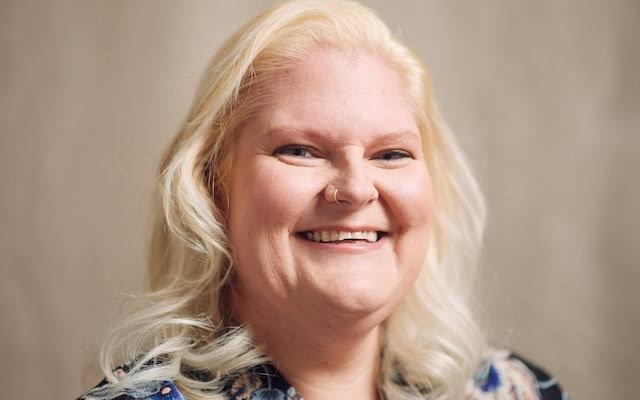 Credit:I was the first IVF baby – if anything had gone wrong, the world would look different now
What began as a single, closely watched case has since become one of the most transformative achievements in modern medicine. Today, IVF and related assisted reproductive technologies (ART) have helped bring millions of children into the world, offering a path to parenthood for people who once had none.
What World IVF Day Represents
World IVF Day — sometimes also called World Embryologist Day — is more than a historical milestone. It's a moment to:
Honor the science. From the first IVF cycle in 1978 to today's advanced techniques like ICSI, preimplantation genetic testing (PGT), and embryo cryopreservation, reproductive medicine has evolved dramatically in less than 50 years.
Recognize the people behind the process. Embryologists work quietly behind the scenes, handling eggs, sperm, and embryos with extraordinary precision. Their expertise directly shapes each patient's chances of success.
Raise awareness about infertility. Infertility affects millions of couples and individuals worldwide, yet it remains a topic many people feel unable to discuss openly. World IVF Day is an opportunity to reduce that stigma and encourage people to seek support and information earlier.
Celebrate the families IVF has created. Behind every statistic is a story — a couple who didn't give up, a child who might not otherwise have been born.
How Far IVF Has Come
The IVF of 1978 looked very different from the IVF of today. Modern fertility care now includes:
- ICSI (Intracytoplasmic Sperm Injection) — a single sperm is injected directly into an egg, helping couples facing male-factor infertility.
- Preimplantation Genetic Testing (PGT-A, PGT-M, PGT-SR) — embryos can be screened for chromosomal abnormalities or specific genetic conditions before transfer, improving both success rates and pregnancy outcomes.
- Advanced embryo culture and cryopreservation — embryos can be safely frozen and stored, giving patients more flexibility in timing their treatment and family planning.
- In-house molecular genetics and embryology laboratories — at leading fertility centers, testing and embryology are performed on-site rather than outsourced, allowing for faster turnaround times and tighter quality control at every stage of the process.
These advances mean that patients today have access to more personalized, more precise, and often more successful treatment pathways than ever before.
Marking World IVF Day at GenPrime Genea IVF & Genetics
At GenPrime Genea IVF & Genetics in Bangkok, this day is a reminder of why our work matters. Every embryo handled in our laboratories, every consultation, and every treatment plan is part of a much larger story — one that began with a single breakthrough in 1978 and continues with every family we help build today.
Our clinic combines in-house embryology and molecular genetics laboratories with individualized care, allowing patients — including the many international patients who travel to Thailand for treatment — to move through their fertility journey with clarity, transparency, and support at every step.

The Team Behind Every Success Story
World IVF Day is also a chance to recognize the people who make each treatment possible. At GenPrime, patients are supported by a multidisciplinary team, including:
Dr. Sasawimol Preechapornkul, Medical Director, who leads the clinical team in guiding patients through every stage of treatment.
Dr. Pokpong Pansrikaew, Fertility Specialist, who works closely with patients on personalized treatment planning.
Napaphuch Chaisiri, Laboratory Manager, overseeing the day-to-day quality and consistency of the embryology lab.
Bordin Sroybudda, Embryologist, responsible for the precise handling and culture of eggs, sperm, and embryos.
Pajaree Leanglum and Panthita Kaewjanthong, Molecular Genetics Scientists, who carry out the genetic testing that helps improve outcomes for patients undergoing PGT-A, PGT-M, and PGT-SR.
This team follows the same clinical protocols and quality standards used across Genea's clinics in Australia, bringing nearly 40 years of combined fertility expertise to every patient who walks through our doors.

Whether you're just beginning to explore your options or are ready to start treatment, World IVF Day is a fitting moment to take that first step. Fertility science has come a long way in less than 50 years — and for many, that progress means the difference between wondering and welcoming a child into their arms.
Ready to learn more about your fertility options? [Contact GenPrime Genea IVF & Genetics] to schedule a consultation with our team.
This article is for informational purposes only and is not a substitute for professional medical advice. Please consult a fertility specialist to discuss your individual situation.