GenPrime Genea Thailand Attends ISRG 2026
GenPrime Genea Thailand Attends ISRG 2026
Annual Meeting in Bangkok, Strengthening Professional Collaboration in Cross-Border Fertility Care Between China and Thailand
GenPrime Genea Thailand | November 21, 2026 | Bangkok, Thailand
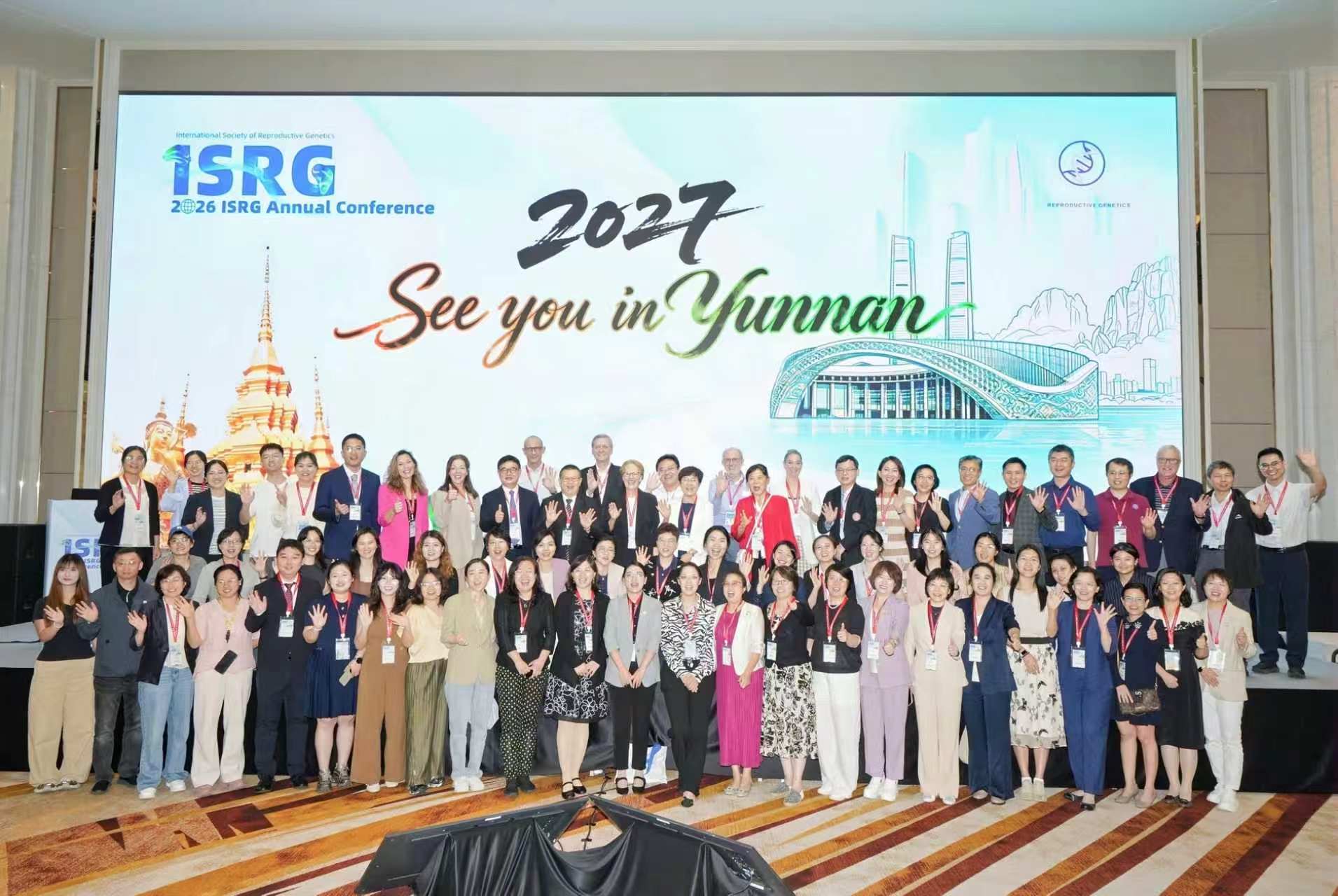
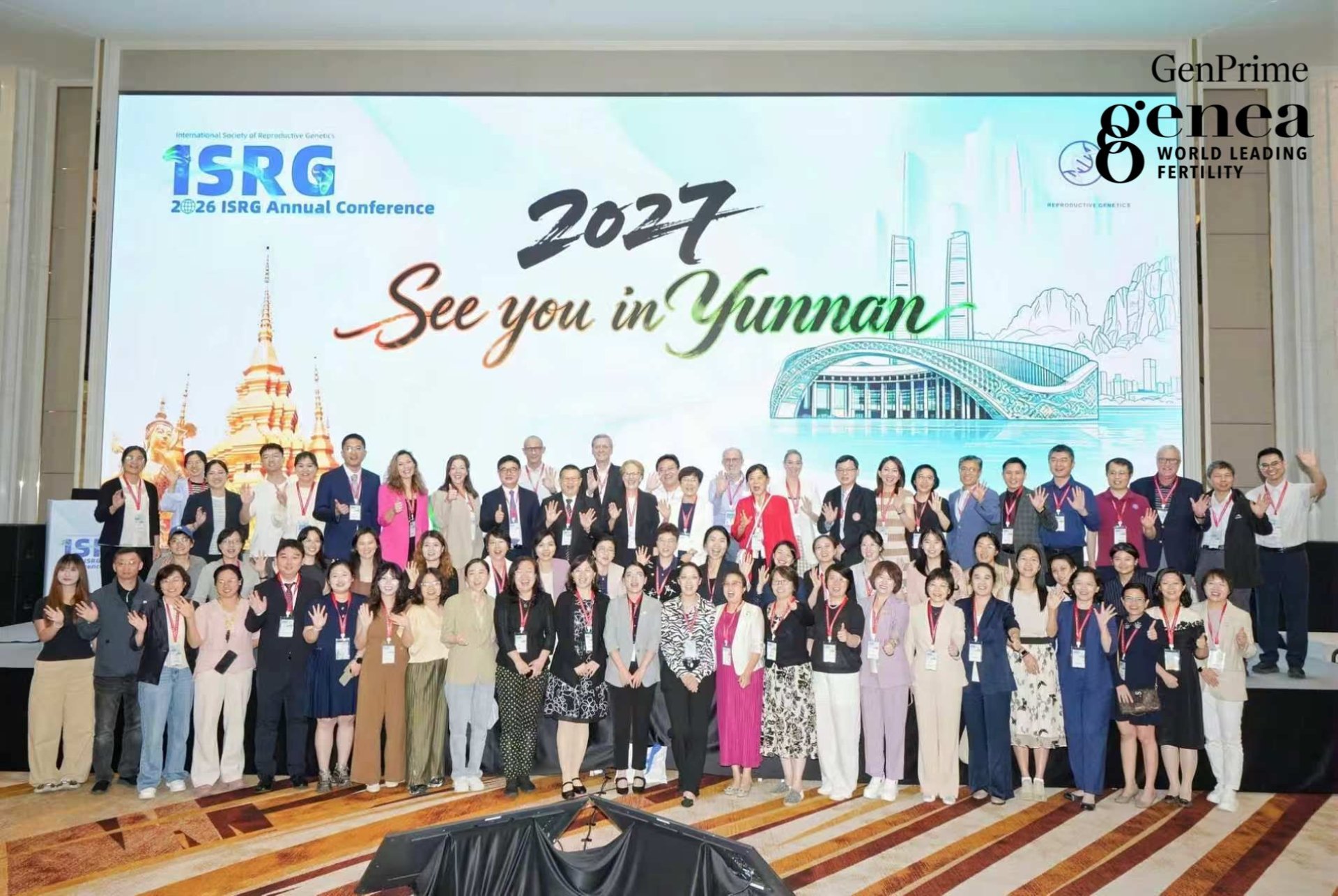
From November 15–17, 2026, the International Society of Reproductive Genetics (ISRG), in collaboration with the Faculty of Medicine, Chulalongkorn University, hosted the ISRG 2026 Annual Meeting in Bangkok under the theme “Advancing Reproductive Genetics: Innovation and Global Collaboration.”
The meeting was chaired by Professor Qiao Jie, Member of the Chinese Academy of Engineering, Dean of the Health Science Center at Peking University, and Professor at Peking University Third Hospital. Professor Unnop Jaisamrarn of the Faculty of Medicine, Chulalongkorn University, served as Chair of the Local Organizing Committee.
The conference brought together leading international experts in reproductive medicine, human genetics, and embryology. Representing Genea Thailand, Mr. Chen, Head of Reproductive Health and Lifestyle Medicine, attended the meeting to participate in academic discussions and exchange professional insights.
For Genea Thailand, which is committed to advancing cross-border assisted reproductive services, staying up to date with the latest developments in international reproductive genetics is essential. This is particularly relevant to Chinese families seeking fertility treatment abroad, who may face a practical challenge: when preconception assessments, embryo genetic testing, assisted reproductive treatment, and post-transfer follow-up take place across China and Thailand, how can couples fully understand expert recommendations at every stage while ensuring that the next treating physician has complete and accurate information to support clinical decisions?
1. Bringing Together Global Expertise: Moving from Technological Advances to Clinical Reliability
The ISRG 2026 Annual Meeting featured two invited lectures, ten plenary lectures, and multiple specialized symposium sessions, highlighting the latest research and clinical practices in reproductive genetics across Europe, the United States, China, and Thailand.
Perspectives on Technological Advancements from Leading European and American Experts
Professor Alan H. Handyside of the University of Kent, United Kingdom, a pioneer in preimplantation genetic testing (PGT), delivered an invited lecture introducing a novel approach combining haplotype analysis and SNP signal intensity to distinguish chromosomal abnormalities of different origins.
Other distinguished experts from Europe and the United States also delivered plenary lectures on key topics, including oocyte developmental competence assessment, genetic mechanisms underlying neurodevelopment, the evolution of clinical approaches to PGT, and in vitro maturation (IVM).
These experts included Professor Emerita Catherine Racowsky of Harvard Medical School and former President of the American Society for Reproductive Medicine (ASRM); Professor Tony Wynshaw-Boris of Case Western Reserve University and former President of the American Society of Human Genetics (ASHG); Professor Luca Gianaroli of the IIRM Institute in Italy and former President of the European Society of Human Reproduction and Embryology (ESHRE); and Professor Johan Smitz of Vrije Universiteit Brussel, Belgium.
Clinical Applications and Considerations from Chinese and Thai Experts
Professor Qiao Jie, Chair of the conference, reviewed the application of PGT in the prevention and management of genetic diseases. She emphasized the importance of rigorous evidence-based clinical research in evaluating testing reliability and its actual clinical benefits for patients.
Professor Xiaoliang Sunney Xie, Member of the Chinese Academy of Sciences and Director of Changping Laboratory, shared research into non-invasive preimplantation genetic testing (niPGT) using cell-free DNA from embryo culture media. He highlighted the importance of initially validating the sensitivity and specificity of this emerging technology in families affected by conditions such as thalassemia before considering its broader clinical application as a low-risk option or supplementary evidence when biopsy results are inconclusive.
Meanwhile, Professor Chen Zijiang and Professor Huang Hefeng, both Members of the Chinese Academy of Sciences, discussed collaborative approaches to advancing China's PGT standards from technological feasibility toward clinical reliability, as well as preventive strategies targeting gametes and maternal factors.
From Thailand, Professor Dr. Nares Sukcharoen of Chulalongkorn University focused on Expanded Carrier Screening (ECS), exploring how genomic screening information can be translated into scientifically informed reproductive choices for families.
2. Bridging Differences in Clinical Practice Between China and Thailand Through Effective Two-Way Medical Communication
Listening to experts from both China and Thailand highlighted complementary approaches as well as differences in clinical pathways and priorities in evidence-based medicine.
On one hand, major reproductive medicine centers in China, such as the practices presented by Peking University Third Hospital, leverage multidisciplinary hospital systems to establish an integrated care pathway within a single institution, covering genetic assessment, embryo testing, prenatal diagnosis, and postnatal follow-up. These institutions place strong emphasis on strict clinical indications and evidence-based evaluation of the benefits of testing technologies.
On the other hand, leading assisted reproductive institutions in Thailand, operating within international laboratory standards, place greater emphasis on proactive Expanded Carrier Screening (ECS) and individualized reproductive counseling.
Chinese families seeking treatment in Thailand often navigate a cross-border care pathway involving pre-treatment preparation in China, ovarian stimulation and embryo testing in Thailand, followed by returning to China for pregnancy registration and antenatal care.
Differences between the two countries in clinical terminology, indications for genetic testing, the scope of expanded screening, interpretation of supplementary embryo testing results, and follow-up schedules can create communication gaps for couples receiving treatment across borders.
In this context, Genea Thailand's care team serves as an important bridge between the medical systems and clinical communication practices of China and Thailand.
As a member of the team responsible for medical terminology interpretation and coordination of the overall care pathway, Mr. Chen follows clinical developments and expert consensus from both Chinese and Thai specialists through international academic platforms such as ISRG.
This helps translate technical assessments, testing limitations, and the clinical rationale behind decisions made by Thai laboratories and fertility specialists into structured, accessible communication that Chinese families can understand and that aligns with medical consultation practices in China.
With patients' written consent, the Genea care team also systematically organizes original genetic testing reports, embryo culture records, and specialist follow-up recommendations. This enables physicians in China to clearly understand the purpose and clinical rationale of tests performed in Thailand when patients return for pregnancy registration and ongoing care.
Consequently, the receiving medical team can use this information to develop individualized prenatal diagnostic and follow-up plans in accordance with the progress of each pregnancy.
3. Connecting Pre-Travel Preparation and Post-Return Follow-Up: Advancing Comprehensive Cross-Border Care Between China and Thailand
Comprehensive care for Chinese patients should begin even before they travel to Thailand.
Several factors can directly influence treatment coordination and patient compliance, including which preliminary health assessments have already been completed in China, whether there are ongoing glucose or lipid metabolism concerns or chronic health risks requiring management, and whether nutritional and lifestyle recommendations from physicians can be maintained throughout international travel and fertility treatment.
For example, patients with a history of abnormal blood glucose regulation can consult their physicians in China before traveling to establish appropriate follow-up tests and monitoring schedules.
The Genea care team assists in organizing patients' previous health records and incorporates lifestyle medicine principles to help couples apply medical recommendations to their daily routines, work schedules, international travel, and time spent in Thailand.
To address these cross-border care needs, Genea Thailand has established collaborations with preconception and post-pregnancy support clinics in selected regions of China to facilitate comprehensive patient care.
Mr.Luixu Chen serves as the project coordinator, connecting the teams in both countries.
This collaborative initiative bridges two essential stages of care: preconception preparation before traveling to Thailand and post-transfer follow-up after patients return to China.
Couples can receive preliminary assessments and preparation support locally in China before departure. Before leaving Thailand, they can also establish a clear follow-up plan, including the next appointment date, the receiving medical institution, and the process for sharing test results.
This ensures that patients can attend their subsequent consultations with well-organized medical records and a clear list of questions for their physicians.
Continued participation in leading international academic meetings such as ISRG is an important way for Genea Thailand to stay aligned with evolving international clinical knowledge and practices.
For Chinese families, the true value of academic collaboration is reflected in rigorous, transparent communication and seamless cooperation between medical institutions at every stage of care.
Testing results discussed in depth in Thailand can continue to be interpreted and followed up by qualified medical professionals after patients return to China, while health management initiated in China can be smoothly continued when patients travel to Thailand.
Through ongoing academic engagement and cross-border collaboration, Genea Thailand remains committed to supporting more coordinated, informed, and continuous fertility care for families seeking treatment across China and Thailand.