Egg Freezing in Bangkok: Cost, Process & Success Rate
2624 浏览量
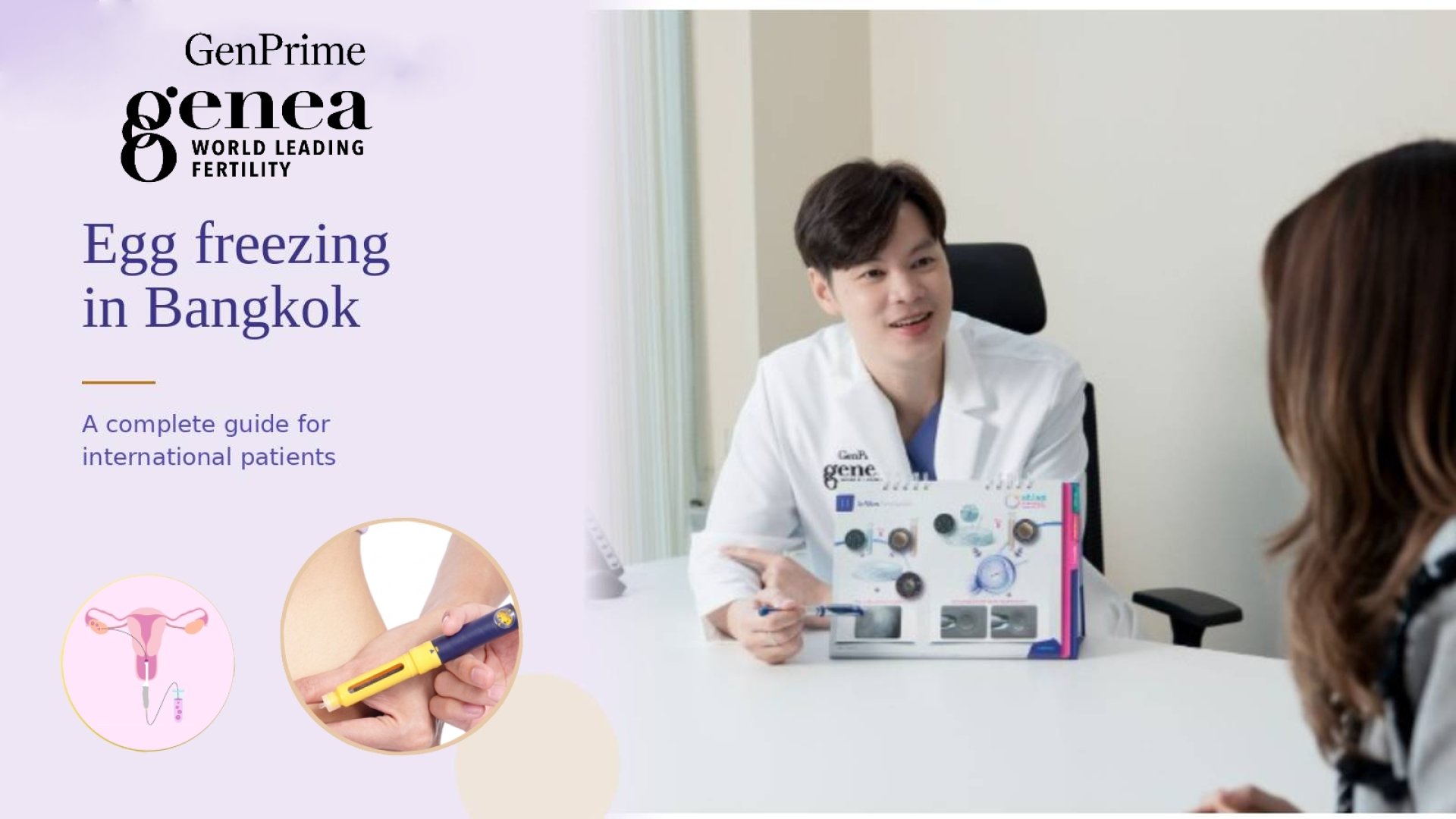
Egg Freezing in Bangkok: Cost, Process & Success Rate
GenPrime Genea Meta Description: Considering egg freezing in Bangkok?
Learn how the process works, who it's for, expected success rates, and what affects the cost from the fertility specialists at GenPrime Genea IVF & Genetics.
At GenPrime by Genea IVF & Genetics in Bangkok, this guide answers the questions we hear most often from women exploring egg freezing for the first time.
What Is Egg Freezing, Exactly?
Egg freezing preserves a woman's eggs at the age and quality they are today, so they can be used later through IVF when she is ready to try for a pregnancy. The eggs are retrieved through a minor outpatient procedure, frozen using a fast-freezing method called vitrification, and stored in a secure facility until needed.
Who Should Consider Egg Freezing?
Egg freezing is commonly considered by women who:
Want to delay having children for personal, financial, or career reasons
Haven't found the right partner yet but want to preserve their fertility options
Have a medical condition or upcoming treatment (such as chemotherapy) that could affect future fertility
Have a family history of early menopause or declining ovarian reserve
What Is the Best Age to Freeze Your Eggs?
Egg quality and quantity naturally decline with age, and the decline accelerates after the mid-30s. Most fertility specialists recommend freezing eggs before age 35 for the best combination of egg quality and quantity, though the procedure remains an option into the early 40s. A consultation with a fertility specialist, including an ovarian reserve test (AMH level), gives the clearest picture of your individual fertility window.
How Does the Egg Freezing Process Work?
Initial consultation — A fertility specialist reviews your health history and runs baseline tests, including AMH (Anti-Müllerian Hormone) and an ultrasound to assess ovarian reserve.
Ovarian stimulation — You'll take hormone injections for about 10–12 days to stimulate your ovaries to produce multiple mature eggs, with regular monitoring via ultrasound and blood tests.
Egg retrieval — A short outpatient procedure, performed under sedation, retrieves the mature eggs. Recovery typically takes a day or two.
Vitrification (freezing) — Eggs are flash-frozen within hours of retrieval to preserve their quality, then stored in liquid nitrogen.
Storage — Frozen eggs can typically be stored for many years until you're ready to use them.
What Affects Egg Freezing Success Rates?
The likelihood that a frozen egg will result in a future pregnancy depends on several factors:
Age at freezing — Eggs frozen at a younger age generally have a higher chance of successful fertilization and healthy embryo development later.
Number of eggs retrieved and frozen — More frozen eggs generally improve the odds of at least one healthy embryo down the line.
Egg quality — Assessed during retrieval and closely linked to age and individual ovarian health.
Clinic and lab standards — Vitrification technique and lab conditions directly affect how well eggs survive the thaw.
Because outcomes are highly individual, ask your clinic for success rate data specific to your age group rather than relying on general averages.
What Determines the Cost of Egg Freezing?
Egg freezing cost typically covers several components:
Initial fertility testing and consultation
Medication for ovarian stimulation (varies by dosage and individual response)
The egg retrieval procedure itself
Vitrification and the first year of storage
Ongoing annual storage fees after the first year
Costs can vary based on how many stimulation cycles are needed to retrieve an
adequate number of eggs, which is why a personalized quote after your initial
consultation gives the most accurate picture.
Frequently Asked Questions
Does egg freezing hurt?
- The egg retrieval procedure is performed under sedation, so you won't feel pain during the process itself. Mild cramping or bloating for a few days afterward is common and manageable with rest and over-the-counter pain relief.
How many eggs should I freeze?
- This depends on your age and personal family-building goals. Younger women may need fewer eggs to reach a target number of viable embryos later, while women freezing eggs later in their 30s or beyond may be advised to freeze more, or complete more than one retrieval cycle.
How long can frozen eggs be stored?
- Modern vitrification allows eggs to be stored for many years without a significant decline in quality. Storage duration limits vary by clinic and by country regulation, so confirm current policy with your fertility center.
Is egg freezing the same as IVF?
- Not exactly. Egg freezing stops at the point of retrieving and freezing eggs. IVF is the full process of fertilizing eggs with sperm and transferring the resulting embryo into the uterus — which happens later, whenever you're ready to try for pregnancy using your frozen eggs.
Can I still get pregnant naturally after freezing my eggs?
- Yes. Freezing your eggs doesn't affect your natural fertility. It simply gives you a backup option if you're not able to conceive naturally when you're ready.
Considering Egg Freezing?
- Start With a Consultation
Every woman's fertility timeline is different. The most reliable way to understand your options — including your current ovarian reserve, ideal number of eggs to freeze, and realistic cost — is a one-on-one consultation with a fertility specialist.
[Insert GenPrime-specific CTA, contact details, and clinic proprietary statistics/pricing here before publishing.]
GenPrime Genea Meta Description: Considering egg freezing in Bangkok?
Learn how the process works, who it's for, expected success rates, and what affects the cost from the fertility specialists at GenPrime Genea IVF & Genetics.
At GenPrime by Genea IVF & Genetics in Bangkok, this guide answers the questions we hear most often from women exploring egg freezing for the first time.
What Is Egg Freezing, Exactly?
Egg freezing preserves a woman's eggs at the age and quality they are today, so they can be used later through IVF when she is ready to try for a pregnancy. The eggs are retrieved through a minor outpatient procedure, frozen using a fast-freezing method called vitrification, and stored in a secure facility until needed.
Who Should Consider Egg Freezing?
Egg freezing is commonly considered by women who:
Want to delay having children for personal, financial, or career reasons
Haven't found the right partner yet but want to preserve their fertility options
Have a medical condition or upcoming treatment (such as chemotherapy) that could affect future fertility
Have a family history of early menopause or declining ovarian reserve
What Is the Best Age to Freeze Your Eggs?
Egg quality and quantity naturally decline with age, and the decline accelerates after the mid-30s. Most fertility specialists recommend freezing eggs before age 35 for the best combination of egg quality and quantity, though the procedure remains an option into the early 40s. A consultation with a fertility specialist, including an ovarian reserve test (AMH level), gives the clearest picture of your individual fertility window.
How Does the Egg Freezing Process Work?
Initial consultation — A fertility specialist reviews your health history and runs baseline tests, including AMH (Anti-Müllerian Hormone) and an ultrasound to assess ovarian reserve.
Ovarian stimulation — You'll take hormone injections for about 10–12 days to stimulate your ovaries to produce multiple mature eggs, with regular monitoring via ultrasound and blood tests.
Egg retrieval — A short outpatient procedure, performed under sedation, retrieves the mature eggs. Recovery typically takes a day or two.
Vitrification (freezing) — Eggs are flash-frozen within hours of retrieval to preserve their quality, then stored in liquid nitrogen.
Storage — Frozen eggs can typically be stored for many years until you're ready to use them.
What Affects Egg Freezing Success Rates?
The likelihood that a frozen egg will result in a future pregnancy depends on several factors:
Age at freezing — Eggs frozen at a younger age generally have a higher chance of successful fertilization and healthy embryo development later.
Number of eggs retrieved and frozen — More frozen eggs generally improve the odds of at least one healthy embryo down the line.
Egg quality — Assessed during retrieval and closely linked to age and individual ovarian health.
Clinic and lab standards — Vitrification technique and lab conditions directly affect how well eggs survive the thaw.
Because outcomes are highly individual, ask your clinic for success rate data specific to your age group rather than relying on general averages.
What Determines the Cost of Egg Freezing?
Egg freezing cost typically covers several components:
Initial fertility testing and consultation
Medication for ovarian stimulation (varies by dosage and individual response)
The egg retrieval procedure itself
Vitrification and the first year of storage
Ongoing annual storage fees after the first year
Costs can vary based on how many stimulation cycles are needed to retrieve an
adequate number of eggs, which is why a personalized quote after your initial
consultation gives the most accurate picture.
Frequently Asked Questions
Does egg freezing hurt?
- The egg retrieval procedure is performed under sedation, so you won't feel pain during the process itself. Mild cramping or bloating for a few days afterward is common and manageable with rest and over-the-counter pain relief.
How many eggs should I freeze?
- This depends on your age and personal family-building goals. Younger women may need fewer eggs to reach a target number of viable embryos later, while women freezing eggs later in their 30s or beyond may be advised to freeze more, or complete more than one retrieval cycle.
How long can frozen eggs be stored?
- Modern vitrification allows eggs to be stored for many years without a significant decline in quality. Storage duration limits vary by clinic and by country regulation, so confirm current policy with your fertility center.
Is egg freezing the same as IVF?
- Not exactly. Egg freezing stops at the point of retrieving and freezing eggs. IVF is the full process of fertilizing eggs with sperm and transferring the resulting embryo into the uterus — which happens later, whenever you're ready to try for pregnancy using your frozen eggs.
Can I still get pregnant naturally after freezing my eggs?
- Yes. Freezing your eggs doesn't affect your natural fertility. It simply gives you a backup option if you're not able to conceive naturally when you're ready.
Considering Egg Freezing?
- Start With a Consultation
Every woman's fertility timeline is different. The most reliable way to understand your options — including your current ovarian reserve, ideal number of eggs to freeze, and realistic cost — is a one-on-one consultation with a fertility specialist.
[Insert GenPrime-specific CTA, contact details, and clinic proprietary statistics/pricing here before publishing.]
相关文章



Why Thailand Has Become One of the Top Destinations for IVF Treatment in Asia